Don't Buy the E Series 4K 2016 Until You Read This Full Analysis
Introduction
The E Series 4K 2016 line arrived as a competitive midrange option in the era when 4K began to move from niche to mainstream. For buyers who want the sharpness of Ultra HD without a premium price tag, it looked attractive on paper. However, spec sheets and showroom demos can be misleading: long-term satisfaction depends on how a TV performs in real-world living rooms, how it handles content people actually watch, and whether its software and connectivity keep up with changing streaming and gaming standards.
This analysis walks through the E Series 4K 2016 from the perspective of everyday users: movie watchers, cord-cutters, gamers, and those simply replacing a decade-old HDTV. It explains strengths and weaknesses, compares the model to other 2016-era 4K options, offers a practical buying guide, and lists pros and cons so readers can decide whether the E Series is a fit for their needs.
Detailed Product Review and Analysis
Design and Build Quality
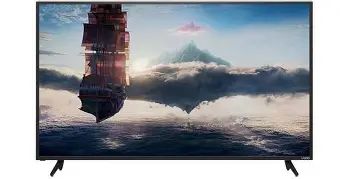
Visually, the E Series 4K 2016 models follow the midrange design cues of their time: relatively thin bezels compared to older sets, a mostly plastic chassis, and simple pedestal stands. The build quality is solid for casual living-room use but does not match premium designs with metal frames or ultra-slim profiles. For wall-mounting, the TV supports standard VESA patterns, and many buyers will find it straightforward to mount on a common bracket.
From a practical standpoint, the design prioritizes function over style: ports are placed along the side and rear for reasonable cable routing, but the depth of the TV and stand footprint may require attention in smaller media cabinets.
Picture Quality (Resolution, Upscaling, and Panel Performance)
At its core, the E Series 2016 is a 4K (3840x2160) display. Native 4K content looks detailed when viewed at appropriate distances. A key contributor to perceived quality on sets in this category is the TV’s upscaling engine; non-4K content remains the majority of what many households watch. The E Series' upscaler generally does a competent job converting HD and SD sources to fit the panel, though it is not as refined as higher-end processors.
Panel characteristics can vary by size and production batch, but buyers should expect a typical LED/LCD experience: good clarity and sharpness, moderate black levels, and color that can be lively but not reference-grade accurate straight out of the box. For viewers who prioritize deep cinematic blacks (for dark-room movie nights), the E Series may fall short of higher-end VA or OLED competitors unless the specific model includes more advanced local dimming.
HDR Performance
High Dynamic Range (HDR) was a headline feature in 2016, but implementation and standards varied widely. The E Series supports basic HDR playback for compatible content, which can improve highlights and perceived contrast on scenes with bright specular highlights. That said, real HDR impact depends on peak brightness and local contrast: midrange panels from that era often lack the peak luminance and fine-grained dimming to deliver the strong HDR "pop" seen on premium sets. Buyers hoping for a dramatic HDR upgrade should temper expectations or look for higher-tier HDR implementations.
Motion Handling and Refresh
Typical E Series models offer a native refresh rate that suits broadcast, streaming, and movie content—smooth enough for everyday viewing but not targeted at high-frame-rate gaming. Motion interpolation features may be present and adjustable, which helps with fast-moving sport footage but can introduce the "soap opera" effect if overused. For most viewers this is configurable and acceptable; for cinephiles who prefer 24p film cadence, turning off aggressive processing is advisable.
Gaming and Input Lag
For casual gaming, the E Series delivers playable latency and sufficient connectivity such as HDMI inputs typical of the period. Competitive gamers who demand the lowest input lag or support for higher refresh rates will find this model less suitable. It does not provide the advanced gaming features that came to prominence later (such as VRR—variable refresh rate—at widespread adoption), so buyers should consider current gaming consoles and whether low-latency performance is a priority.
Smart Platform and Apps
Smart TV functionality is an important everyday factor. The E Series 2016 shipped with a smart platform that offered popular streaming apps at the time—making it easy to stream movies, TV shows, and other services without external devices. Over time, the longevity of that platform depends on firmware updates and continued app support. For buyers today, it's wise to verify whether the specific E Series model still receives software updates and whether desired streaming apps remain available. When in doubt, inexpensive streaming sticks or boxes can supplement an aging platform and extend functionality.
Find top-rated TVs & Home Theater products at great prices.
See Deals →Audio Quality
Sound is frequently the overlooked element in TV purchases. The E Series provides adequate built-in audio for casual viewing, dialogue, and background sound. However, the thin cabinet and compact speakers limit bass and dynamic range; home theater enthusiasts or anyone expecting room-filling sound will likely consider a soundbar or external audio system. The TV includes standard audio outputs (optical or HDMI ARC on some models) to facilitate upgrades.
Connectivity and Ports
Connectivity is straightforward: multiple HDMI inputs, at least one USB port, and common legacy inputs (component/composite) on some sizes. For anyone with multiple HDMI devices—gaming consoles, Blu‑ray players, streaming boxes—verify the number and version of HDMI ports. Support for HDCP 2.2 (important for 4K protected content) may be present on some models; buyers should confirm compatibility if they plan to use 4K Blu‑ray players or certain streaming set-top boxes.
Reliability, Service, and Firmware
As with many consumer electronics, long-term reliability varies. A TV is a long-term purchase for most households, and buyers should assess warranty options and the availability of service or support in their region. Firmware updates influenced performance and app availability for many 2016-era TVs; if the E Series in question has not received recent updates, it may lack newer codecs or features introduced after 2016.
Real-World Use Cases
- Living-room streaming: For households primarily streaming movies and TV shows, the E Series offers a good balance of picture clarity and smart features at its launch price. It is best placed in a well-lit to moderately lit room where its peak brightness and color can be appreciated without demanding deep blacks.
- Family TV: For families using the TV for mixed content—cartoons, sports, news—the E Series is a sensible, affordable choice. Its robust upscaling and general-purpose performance make it a dependable multi-user set.
- Casual gaming: Consoles like the late-model PlayStation and Xbox systems will run fine on this TV for casual gaming sessions. Competitive gamers or VR/PC enthusiasts seeking sub-20ms input lag and high refresh advantages should consider more recent displays.
- Secondary/Bedroom screens: The E Series is often a good upgrade for secondary rooms where extreme performance is unnecessary but picture quality and smart features matter.
Pros & Cons
Pros
- 4K resolution delivers noticeably sharper images compared to 1080p sets at typical living-room viewing distances.
- Balanced value for buyers seeking an affordable entry into Ultra HD without paying premium prices.
- Decent upscaling for HD and SD content, making legacy channels and DVDs look better on a 4K panel.
- Smart features included out of the box for streaming without additional hardware (subject to app availability).
- Multiple sizes typically available, allowing buyers to choose a screen that matches viewing distance and room size.
Cons
- HDR limitations: HDR benefits are modest due to midrange peak brightness and limited dimming control on many units.
- Audio shortcomings: Built-in speakers lack bass and dynamics, often necessitating a soundbar for an improved experience.
- Gaming features: Lacks newer gaming-focused HDMI and refresh technologies that arrived after 2016.
- Software longevity: App availability and firmware support can be inconsistent years after release.
- Contrast and black levels: May not match premium VA- or OLED-based alternatives for dark-room movie viewing.
Comparison Table: E Series 4K 2016 vs. Typical 2016 Alternatives
| Model Category | Typical Screen Sizes | HDR Support | Backlight Type | Smart Platform | Typical Strengths | Typical Weaknesses |
|---|---|---|---|---|---|---|
| E Series 4K (2016) | 43"–70" (varies by market) | Basic HDR playback (HDR10 on many models) | Edge-lit LED, some sizes with local dimming | Manufacturer smart platform (built-in apps) | Good price-to-performance, solid upscaling | Limited HDR impact, middling blacks and audio |
| Entry-level 4K (2016) | 32"–50" | Limited or no HDR | Edge-lit LED | Basic smart features or none | Lowest upfront cost, compact sizes | Lower picture quality, fewer features |
| Premium 4K (2016) | 49"–75"+ | Advanced HDR handling, higher peak brightness | Full-array local dimming or advanced LED/OLED | Robust smart platforms and regular updates | Superior contrast, HDR, and motion handling | Higher price, larger physical footprint |
Buying Guide: How to Decide if the E Series 4K 2016 Is Right
1. Clarify the Primary Use
Think about what the TV will be used for most often. If the primary purpose is streaming mainstream services, the E Series provides good visual fidelity for the price. If the use case is dark-room movie watching or competitive gaming, the buyer should place more weight on contrast performance or input lag respectively and compare to alternatives.
2. Consider Room Lighting and Viewing Distance
In bright rooms, the E Series’ brightness and anti-reflective properties will often be sufficient. In dim or dark rooms, blacks and contrast become more noticeable; here, a TV with better local dimming or an OLED may be preferable. Measure viewing distance and choose a screen size that preserves comfortable pixel density—4K allows for closer viewing without seeing individual pixels, which helps in living rooms.
Looking for the best TVs & Home Theater deals on Amazon?
Shop Amazon →3. HDR Expectations vs. Reality
Understand that HDR is not a binary feature—its impact ranges widely. For meaningful HDR experiences, look for TVs with higher peak brightness and more advanced dimming. If HDR is a deciding factor, compare measured performance (third-party reviews) rather than relying solely on the label.
4. Evaluate Smart TV Longevity
Smart functionality from 2016 may have aged. Buyers should check whether the E Series model still supports key apps and receives firmware security updates. If app support is uncertain, allocating a small budget for an external streaming device will future-proof streaming needs.
5. Audio Upgrade Plans
If the buyer cares about immersive sound, plan for a soundbar or AV receiver. Check for HDMI ARC or optical audio outputs to ensure easy integration. A compact soundbar paired with the E Series often yields the most noticeable improvement in dialogue clarity and bass response.
6. Ports and Future-Proofing
Verify the number of HDMI inputs and their versions. For connecting multiple devices simultaneously, three or more HDMI ports are preferable. Confirm support for HDCP 2.2 if the buyer plans to use 4K Blu‑ray players or certain streaming devices that require it.
7. Buy New vs. Used
Given the model’s age, buyers may encounter used or open-box units. For used purchases, inspect for image retention, dead pixels, and ensure all ports and smart features function. Also check warranty status and return policies. For new-in-box older stock, confirm whether firmware updates are available and whether the vendor offers a return period.
8. Check Third-Party Tests and Reviews
Seek out detailed reviews that measure contrast ratio, color gamut, input lag, and HDR peak brightness. Those measurements help translate marketing claims into practical expectations and compare the E Series against contemporaries.
Conclusion
The E Series 4K 2016 represents a reasonable midrange choice for buyers who want the step-up to Ultra HD without paying for premium hardware. It excels as a versatile living-room or secondary set for streaming, everyday TV, and casual gaming. That said, it has limitations: HDR benefits are modest, built-in audio is basic, and advanced gaming and smart-TV features that arrived after 2016 are not present.
For someone prioritizing value and straightforward 4K performance in a well-lit room, the E Series can be a practical fit. For cinephiles, audiophiles, or competitive gamers, the trade-offs may steer them toward newer or higher-tier options. Ultimately, the smartest purchase starts with matching the TV’s real-world strengths and shortcomings to the buyer’s specific viewing habits and long-term expectations.