Head-to-Head: Samsung Galaxy Z Trifold vs Motorola Moto G Power 2026 (Detailed Comparison)
Foldables and long-lasting budget phones sit at opposite ends of the mobile market, but both solve very real problems for different buyers. This article compares the Samsung Galaxy Z Trifold — Samsung’s premium multi-panel foldable that targets productivity and immersive media — with the Motorola Moto G Power 2026 — a value-oriented phone built around battery endurance and straightforward day-to-day reliability. The goal is to help prospective buyers understand which device better fits their real-world needs, from commuting and travel to content creation, gaming, and long-term ownership.
Introduction: Two Solutions, Different Priorities
The Samsung Galaxy Z Trifold represents a point where smartphone innovation meets productivity-focused design. It aims to deliver a tablet-sized canvas that still folds into a pocketable device, ideal for multitaskers, power users, and those who prioritize screen real estate for work and creative tasks.
By contrast, the Motorola Moto G Power 2026 emphasizes practicality. It targets users who want a dependable phone that lasts through long workdays, weekend adventures, or multi-day travel without constant charging, all at a price that keeps ownership costs low. While it does not compete in raw performance or display flexibility, it often wins where endurance and value matter most.
Design and Build
Samsung Galaxy Z Trifold
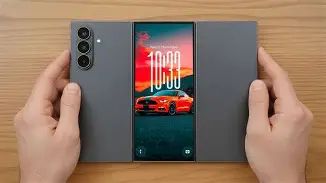
The Galaxy Z Trifold follows the multi-panel foldable trend, offering an expansive interior display when opened and a usable outer screen for one-handed tasks when closed. The trifold mechanism introduces an extra hinge compared with typical single-fold devices, enabling a wider, nearly tablet-sized surface suitable for split-screen apps and document editing.
Real-world considerations: the Trifold's larger footprint when unfolded is excellent for editing documents, viewing large spreadsheets, and watching widescreen video. However, the more complex hinge system and multiple folding surfaces generally add thickness and weight compared with standard phones, and buyers who frequently pocket their phone in tight clothing may find it less convenient for everyday carry.
Motorola Moto G Power 2026
The Moto G Power 2026 retains the classic slab form factor with focus on ergonomic balance and a grippy finish. Motorola typically offers water-repellent coatings and reinforced polymer frames in this segment to improve durability without raising costs.
Real-world considerations: for commuters and users who prefer one-handed operation, the Moto G Power's lighter, standard form factor is more practical. It fits easily into pockets and is compatible with a wide range of protective cases, which appeals to buyers who prioritize durability over novelty.
Displays and Media Experience
Samsung Galaxy Z Trifold
The Trifold’s chief advantage is its internal large-screen experience. When unfolded, the device becomes a near-tablet workspace with significantly more horizontal space for split-screen multitasking, two- or three-column reading layouts, and landscape-oriented apps. Samsung’s foldable displays are known for rich colors, high peak brightness, and flexible OLED technology that supports deep blacks and wide viewing angles.
Real-world considerations: users who consume streaming video, edit photos, or multitask with several apps at once will find the Trifold’s display transformative. The larger canvas reduces constant app switching and makes reading and productivity tasks more efficient.
Motorola Moto G Power 2026
The Moto G Power focuses on a bright, serviceable display for everyday use. It typically offers a smooth refresh rate option and a color-tuned LCD or OLED panel depending on the exact spec choice. While it doesn’t match the Trifold for sheer screen area, it delivers crisp text and acceptable color for social media, navigation, and casual video watching.
Real-world considerations: for most users who browse, stream, and use social apps, the Moto G Power’s display is more than adequate. The smaller display can even be an advantage for long single-handed use sessions like messaging or quick navigation during a commute.
Performance and Software
Samsung Galaxy Z Trifold
Samsung positions the Trifold as a premium device, so it generally ships with high-end processors, generous RAM, and storage options to support multitasking across large, multi-window sessions. Samsung’s software additions for foldables — such as enhanced multi-window management, drag-and-drop between apps, and tailored UI behaviors — are important for realizing the device’s productivity potential.
Looking for the best Mobile Phones deals on Amazon?
See Deals →Real-world considerations: creatives and power users who run several apps simultaneously, edit documents, or rely on advanced mobile workflows will appreciate the Trifold’s performance. Additionally, Samsung’s multi-year Android update commitment for flagship devices is a practical advantage for buyers who plan to keep their phone longer.
Motorola Moto G Power 2026
The Moto G Power 2026 emphasizes balanced performance for everyday tasks. It typically uses mid-range chipsets optimized for battery efficiency rather than raw benchmarks, paired with a clean or lightly customized Android experience. Motorola often includes practical software features such as battery-saving modes and gesture-based shortcuts.
Real-world considerations: the Moto G Power handles browsing, social apps, navigation, and casual gaming well, and it’s tuned to preserve battery life. Buyers who prioritize smooth day-to-day operation over high-end gaming or heavy multitasking will find this combination compelling.
Cameras and Imaging
Samsung Galaxy Z Trifold
Foldables in Samsung’s lineup typically carry capable camera systems that mirror flagship performance — multiple lenses, strong image processing, and feature-rich shooting modes. The Trifold can leverage its large internal display as a bigger viewfinder for composing shots or previewing edits.
Real-world considerations: content creators who shoot mobile video or do quick edits on the go benefit from the Trifold’s imaging system and larger preview screen. The enhanced editing surface is useful for cropping, color adjustments, and composing social content before upload.
Motorola Moto G Power 2026
The Moto G Power focuses on practical camera hardware that performs well in good light. It usually offers a main sensor with adequate megapixels, an ultrawide or macro secondary lens, and computational features to improve low-light shots. While not competing with flagship-level sensors, it aims to produce reliable images for everyday sharing.
Real-world considerations: for users who primarily take photos of family, food, and travel snapshots, the Moto G Power’s camera system delivers acceptable results without the complexity or cost of premium hardware.
Battery Life and Charging
Samsung Galaxy Z Trifold
Large foldable displays and powerful internals can strain battery life, so Samsung balances a sizable battery with software optimizations. Fast charging and wireless charging support are common on flagship foldables, which mitigates midday top-ups for heavy users.
Real-world considerations: buyers who use the Trifold for long creative sessions or productivity may need to plan for periodic charging during a workday, especially under heavy multitasking and screen-brightness conditions. Carrying a compact charger or using wireless charging at a desk helps maintain workflow.
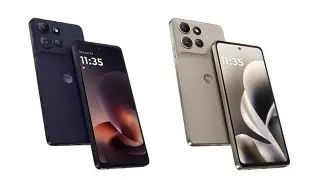
Motorola Moto G Power 2026
The Moto G Power series is synonymous with multi-day battery life. It typically includes a large capacity battery and aggressive power-management tuning. While charging speeds may be modest compared with flagship fast charging, the tradeoff is sustained endurance.
Real-world considerations: travelers, shift workers, and users who prioritize not having to charge daily will appreciate the Moto G Power. Less frequent charging is a strong practical benefit for those who value reliability over the fastest possible top-up speeds.
Durability, Repairability, and Longevity
Foldables bring new durability considerations because of their folding displays and hinge mechanisms. Samsung has invested in durable hinge designs and protective layers, but foldables still require more careful handling than slab phones. Conversely, the Moto G Power’s simpler construction makes it easier to protect with cases and typically less costly to repair.
Shop the latest Mobile Phones picks on Amazon.
View Offers →Real-world considerations: buyers who work in active or rugged environments may prefer the Moto G Power for peace of mind. Those who choose the Trifold should plan for more careful handling and consider extended warranty or protective case options to mitigate accidental damage.
Pros & Cons
Samsung Galaxy Z Trifold
- Pros: Expansive multi-panel display ideal for multitasking, superior media and productivity experience, flagship-level performance and cameras, advanced software features for foldables, likely longer update support.
- Cons: Higher cost and heavier weight, increased fragility compared with standard phones, shorter out-of-the-box battery endurance under heavy use, case and accessory ecosystem still maturing for trifold format.
Motorola Moto G Power 2026
- Pros: Excellent battery life for multi-day use, affordable price point, practical and durable slab design, simple software with battery-preserving optimizations, easy to pocket and protect.
- Cons: Less screen real estate for productivity, middling camera performance in challenging lighting, not intended for heavy multitasking or demanding games, shorter update window compared with premium flagships.
Side-by-Side Comparison
| Category | Samsung Galaxy Z Trifold | Motorola Moto G Power 2026 |
|---|---|---|
| Form Factor | Trifold foldable — unfolds to tablet-sized display, thicker when folded | Traditional slab — lightweight, pocket-friendly |
| Display | Large flexible OLED canvas for multitasking and media | Single-panel LCD/OLED optimized for battery efficiency |
| Performance | Flagship-class hardware for heavy multitasking and creative work | Mid-range chipset tuned for efficiency and everyday tasks |
| Cameras | Advanced multi-lens system and software features | Practical camera setup for good daylight photos and social sharing |
| Battery | Large but consumed by big display and performance; fast & wireless charging support | Very large battery with multi-day endurance; modest charging speed |
| Durability | Improved hinge and protection but needs careful handling | Robust for everyday use, easier to case and protect |
| Software & Updates | Feature-rich foldable UI, typically longer update support | Clean Android with battery modes; shorter update window |
| Value | Premium price, targeted at buyers wanting innovation and productivity | High value for battery life and affordability |
Buying Guide: Which Phone Suits Which Buyer?
Priorities: Productivity and Media
Choose the Samsung Galaxy Z Trifold if the buyer spends significant time editing documents, working in split-screen apps, drawing or annotating on a larger surface, or consuming long-form media. The Trifold’s true advantage shows when the device becomes a portable workstation, enabling workflows that standard phones cannot match.
Priorities: Battery Life and Low Friction
Choose the Motorola Moto G Power 2026 for users who want minimal fuss: long battery life, reliable daily performance, and a phone that survives a drop or a rainy commute. It’s the pragmatic choice for travelers, shift workers, or anyone who dislikes daily charging routines.
Priorities: Camera and Content Creation
If mobile content creation is central and a larger preview/editing surface is valued, the Galaxy Z Trifold’s camera system and unfolded workspace will be more helpful. However, social-first photographers who prioritize price and battery might still prefer the Moto G Power for simple snaps and quick sharing.
Priorities: Budget and Longevity
For buyers constrained by budget, the Moto G Power provides compelling long-term value: a lower purchase price plus lower repair costs and simple protection strategies. The Trifold requires a bigger upfront investment and a willingness to accept potentially higher repair or accessory expenses.
Practical Tips for Decision-Making
- Test the feel: If possible, handle a Trifold in-store to judge weight, hinge feel, and how it fits in everyday pockets.
- Assess app workflows: Confirm the critical apps used daily support multi-window and behave well on wider foldable displays.
- Plan for protection: For the Trifold, consider screen protectors and compatible cases; for the Moto G Power, a rugged or slim case can extend life cheaply.
- Consider update policies: Buyers who want extended Android updates should factor manufacturer support into the decision.
- Battery expectations: Heavy multitaskers should expect to recharge the Trifold more often; Moto G Power users can expect multi-day use in many scenarios.
Real-World Use Cases
Commuter and Public Transport User
Commuters who read, reply to emails, and watch short video clips will appreciate the Moto G Power’s simplicity and long battery life. Those who prefer to edit documents or sketch during a commute will find the Trifold’s larger unfolded screen useful, though it may be less convenient on crowded trains.
Frequent Traveler
Travelers who need long battery life and a durable phone to capture memories will often favor the Moto G Power. Business travelers who need to review spreadsheets, join video calls, and annotate documents on the go benefit more from the Trifold — particularly when a single device that replaces a tablet is preferred.
Content Creators and Social Influencers
Creators who shoot regularly and edit on-device will value the Trifold’s larger editing surface and flagship camera hardware. Casual creators who prioritize battery life and quick posting can depend on the Moto G Power for efficient capture and upload without worrying about power outlets.
Conclusion
Both the Samsung Galaxy Z Trifold and the Motorola Moto G Power 2026 address distinct needs. The Trifold pushes the boundaries of what a smartphone can be, offering a large, flexible workspace for multitasking, creative work, and immersive media at a premium cost. The Moto G Power 2026 doubles down on practicality: exceptional battery life, dependable performance for everyday tasks, and strong value for budget-minded buyers.
Choosing between them comes down to priorities. Buyers seeking innovation, productivity, and a larger on-device canvas will lean toward the Galaxy Z Trifold. Those who want a no-nonsense phone that lasts through long days and stays affordable will find the Moto G Power 2026 more appealing. Both deliver meaningful benefits; the best choice depends on whether the buyer values expanded capability or uncompromised endurance.